Inspect Your Foundation Before Winter
Last updated
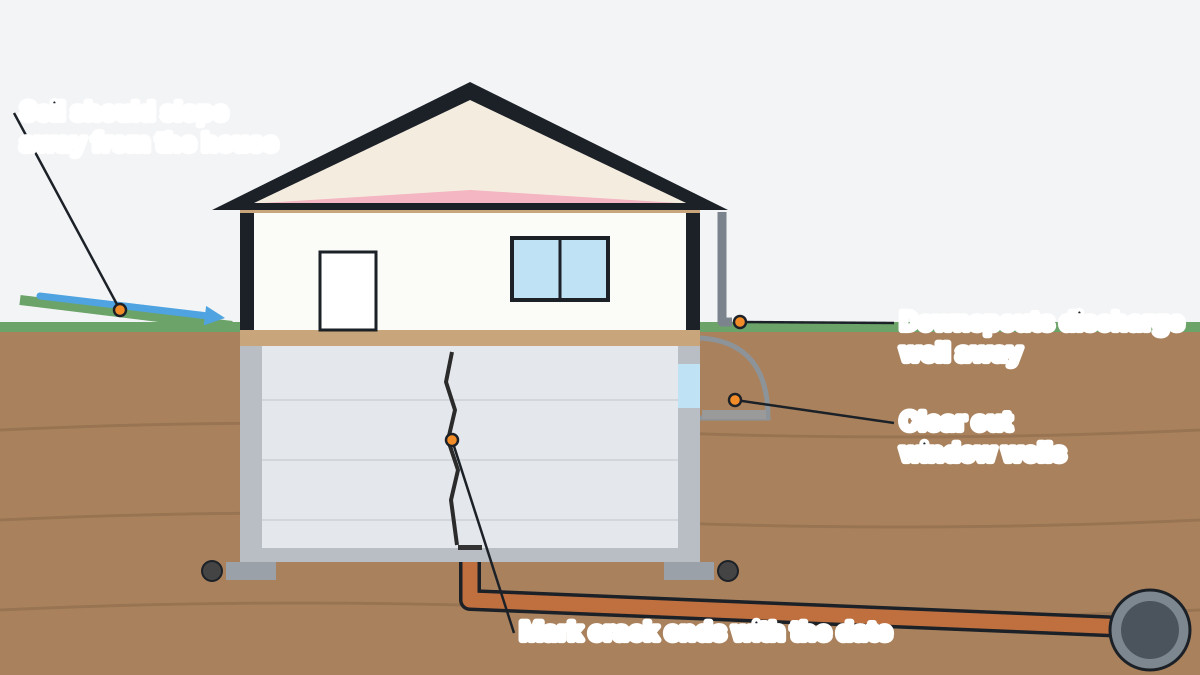
Check your foundation before the snow comes. Once snow cover is consistent, exterior cracks are hard to see until spring. Twenty minutes with a phone camera now tells you whether you have anything to deal with before Edmonton’s freeze-thaw season.
Outside
Walk around the whole house.
- Look at the exposed foundation for cracks. Note the direction: vertical, diagonal, stair-step or horizontal. Horizontal cracks may relate to soil pressure.
- Check the grading. Soil should slope away from the house.
- Check downspouts. They should discharge well away from the foundation, not beside it.
- Look in window wells. Clear out leaves and debris. Consider a cover.
- Photograph everything with a tape measure for scale.
Inside
- Look at unfinished foundation walls for cracks, damp patches and white chalky staining.
- Check where the wall meets the floor for staining.
- Look below basement windows for water marks.
- Mark the ends of any crack with a pencil and the date.
- Notice doors that stick or rub. Note them now so you can compare in spring.
What you’re looking for
| What you see | What it may mean | What to do |
|---|---|---|
| Dry hairline crack | May not be a concern | Mark it and check each season |
| Wider crack, staining or damp | It’s leaking | Have it sealed |
| Stair-step crack | Possible movement | Get it assessed |
| Horizontal crack or bowing | May relate to soil pressure | Get it assessed soon |
Small hairline cracks may not be a concern. Larger or widening cracks suggest movement, and horizontal cracks are particularly concerning.
Why now matters in Edmonton
Edmonton’s clay soils hold water, and frost heave stresses foundations through winter. In spring, snowmelt raises water pressure against basement walls and pushes water through cracks. Knowing about a crack in the fall gives you time to plan, instead of finding out from a wet basement in April.
Found something?
Send us your photos for a free assessment.